Gardeners for landlords Shepherds Bush property managers
Posted on 19/11/2026
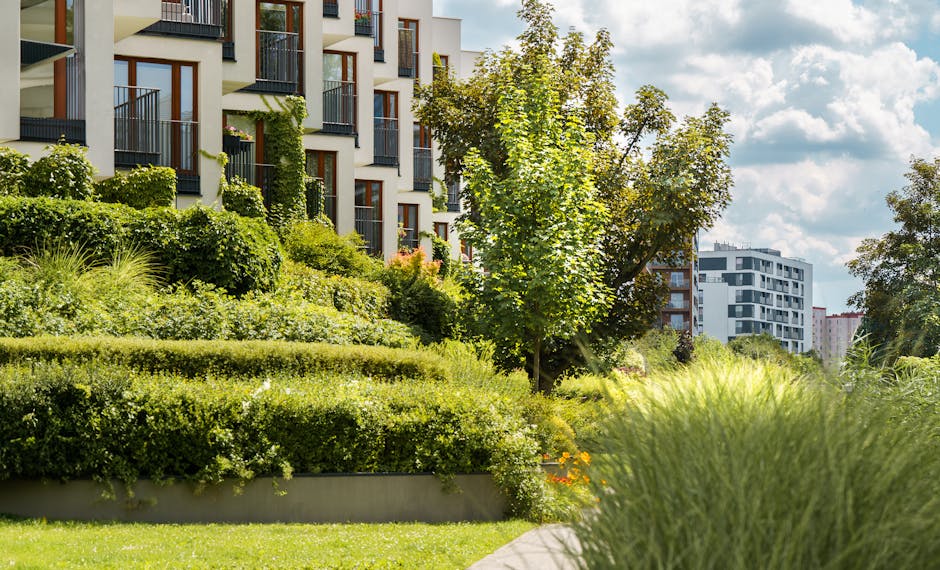
If you manage rental homes in west London, you already know the garden can be either a quiet asset or a constant headache. Gardeners for landlords Shepherds Bush property managers is really about making outdoor spaces easier to maintain, safer to inspect, and better presented for tenants, viewings, and renewals. A neat front patch, a usable rear garden, or even just a weed-free patio can shift the whole feel of a property. And yes, the difference is often bigger than people expect.
In Shepherds Bush, where gardens range from compact courtyards to long shared plots, property managers and landlords tend to need something a bit more organised than the average one-off tidy-up. You need repeatable work, clear communication, and a gardener who understands that the garden is part of the asset, not an afterthought. This guide walks through what that means in practice, how the service works, what to watch for, and how to get better results without wasting time or money. Simple enough. Not always easy, but definitely manageable.
Why Gardeners for landlords Shepherds Bush property managers Matters
For landlords and property managers, the garden is part of the property's first impression, but it is also part of the ongoing upkeep burden. A neglected lawn, a hedge that has turned into a wall, or a patio covered in algae can make a home look poorly cared for even when the inside is spotless. That matters at every stage: marketing, inspections, renewals, and end-of-tenancy handovers.
Shepherds Bush adds its own quirks. Space is often limited, access can be awkward, and gardens are frequently used hard by tenants. In practical terms, that means faster wear and tear, more weeds, more boundary issues, and more pressure to keep things under control all year round. A good gardener is not just cutting grass. They are helping protect asset value and reduce avoidable friction.
It also helps with tenant experience. People may not remember the exact shrub species, but they will remember whether the garden feels usable, tidy, and safe. A small, well-kept outdoor space can make a flat or house feel far more liveable. A messy one? Let's face it, it becomes a talking point for the wrong reasons.
For a wider view of presentation and upkeep, many managers also look at related services such as garden maintenance in Shepherds Bush and seasonal planning ideas like summer gardening tips for beginners, which are useful for understanding what needs attention at different times of year.
How Gardeners for landlords Shepherds Bush property managers Works
In most cases, the process starts with a property-specific assessment. That sounds obvious, but it is worth saying because rental gardens are rarely identical. One property may need regular mowing and hedge work. Another may need a one-off reset before marketing photos. Another may have hard landscaping, poor drainage, or a tenant who has let ivy run a bit wild. Different problem, different plan.
From there, the gardener usually builds a scope of works. This should spell out what gets done, how often, and what is excluded. That might include mowing, pruning, weeding, edging, patio cleaning, leaf clearance, border tidy-ups, waste removal, and more specialised tasks such as fencing repairs or tree work when needed. Clear scope matters because ambiguity creates hassle later. Nobody enjoys the phrase "I thought that was included."
For property managers, the workflow often includes scheduling around tenant access, coordinating with void periods, and keeping an eye on safety. If a garden is shared or accessed through a building, timing becomes important. The work may need to happen between tenancies, after contractor visits, or before an inspection window. In other words, the gardening has to fit the property operation, not the other way round.
Some landlords want a fixed routine; others prefer a reactive service. Both can work. Fixed routines are better for lawns, hedges, and weed control. Reactive visits are often better for clearance jobs, seasonal touch-ups, or pre-tenancy makeovers. If the garden changes fast - and in London gardens, it often does - a flexible schedule is usually the saner choice.
Key Benefits and Practical Advantages
There is a very practical reason experienced landlords keep on top of the garden: it saves time later. Not glamorous, but true. Small issues become larger issues when ignored. A few weeds become a bed full of self-seeded growth. An untidy hedge becomes an access problem. Moss on paving becomes slippery. Suddenly you are dealing with complaints, delay, or a more expensive restore job.
The main benefits usually include:
- Better presentation for viewings - a tidy outside space helps a property photograph and show well.
- Lower risk of escalation - regular maintenance prevents heavy overgrowth and expensive recovery work.
- Improved tenant satisfaction - residents are more likely to care for spaces that already feel cared for.
- Cleaner handovers - end-of-tenancy checks are easier when the garden is already under control.
- Safer access - clear paths, reduced trip hazards, and better visibility around steps, fences, and borders.
There is also a reputational gain that is hard to measure but easy to notice. A well-managed outdoor space suggests a well-managed property. That matters if you oversee multiple homes, because tenants and applicants do quietly compare. They always do.
For recurring tasks, it can help to combine mowing, edging, and plant care with other focused services such as lawn mowing in Shepherds Bush or broader lawn care where the turf needs more than a quick trim.
Who This Is For and When It Makes Sense
This kind of service is useful for more people than you might expect. It is not only for large landlords with blocks of flats or portfolios. In Shepherds Bush, even a single rental house can benefit from a reliable gardening arrangement if the outdoor space is visible, shared, or prone to fast regrowth.
It makes sense for:
- Landlords who want regular upkeep without chasing a different contractor every season.
- Property managers handling inspections, voids, and tenant turnover.
- Letting agents preparing homes for photography or market launch.
- Block managers dealing with communal gardens, access routes, or boundary planting.
- Investors who want the exterior to support long-term value rather than quietly drain it.
It also makes sense at key moments: before a new tenancy, after a long tenancy, after winter, after a storm, or when the garden has simply got away from everyone. You know the sort of thing. You step outside, take one look, and think, "Right, this needs sorting this week."
If the property includes awkward planting, shaded corners, or thin borders that keep turning into weed patches, you may want a more strategic approach using ideas from ground cover plants that thrive in UK gardens or smart weed control practices.
Step-by-Step Guidance
Here is a practical way to set up the right gardening support for rental properties without overcomplicating things.
- Assess the current condition. Walk the garden and note the obvious issues: lawn height, hedge shape, weed levels, fence condition, rubbish, slippery paving, broken planting, or poor access.
- Separate urgent jobs from maintenance jobs. Urgent might mean overgrowth blocking a path or ivy climbing where it should not. Maintenance might mean routine cutting and seasonal planting.
- Set the outcome you want. Are you aiming for inspection-ready, sale-ready, or simply controllable? Those are not the same thing.
- Decide on frequency. Weekly, fortnightly, monthly, or seasonal? A fast-growing garden in summer may need closer attention than the same space in February.
- Make access arrangements. Confirm gates, keys, alarms, pets, tenant notices, and any building management requirements.
- Ask for a clear scope. Get a written breakdown of the tasks. No one likes blurry expectations.
- Review after the first visit. Check whether the finish matches the property standard you had in mind, then tweak the schedule if needed.
A useful habit is to keep a property garden log. Nothing fancy. Just a short record of last visit date, issues found, work done, and anything flagged for follow-up. It saves time later, especially if different people manage the same property. A small thing, but surprisingly useful.
For properties with more complex outdoor layouts, a broader view from gardening services in Shepherds Bush can help tie together routine care and one-off improvements.
Expert Tips for Better Results
In our experience, the best results come from being specific. "Keep the garden tidy" is too vague. "Keep the lawn short, remove weeds from borders, clear the patio, and cut back hedge growth from the pathway" is much better. Clear instructions produce cleaner outcomes. That sounds almost too simple, but it's the truth.
Here are a few tips that really help:
- Match the maintenance level to the tenancy type. A family home with an active garden needs different care from a compact rental courtyard.
- Think seasonally. Summer growth, autumn leaf fall, winter protection, and spring recovery each create different jobs. A service that only looks at summer misses half the picture.
- Prioritise visibility and access. Paths, entrances, and shared routes should be kept clear first.
- Use hard landscaping as a reset point. Sometimes a patio clean or edging job gives the biggest visual improvement for the least effort.
- Choose plants that are low-fuss. If a rental garden needs lots of constant attention, it becomes a drain. Simpler planting often works better.
When a garden is exposed to weather, it helps to build resilience rather than fight nature every month. A little planning around shelter, drainage, and wind exposure goes a long way. If a property has darker corners or awkward boundaries, ideas from evergreen climbers for dark corners or ways to safeguard your garden from strong winds can be handy.
And yes, a few well-placed improvements can make a rental garden look calmer and more intentional, even if the budget is not huge. No need to turn it into a Chelsea show garden. That would be a bit much, honestly.
Common Mistakes to Avoid
One of the most common mistakes is treating the garden as a one-off fix rather than an ongoing responsibility. The result is predictable: the outside space gets addressed only when it is already messy, expensive, or embarrassing. That is usually when everyone is in a rush. Not ideal.
Other mistakes include:
- Skipping a scope of works and assuming the gardener will "just know" what is needed.
- Ignoring access and tenant coordination, which causes missed visits or awkward delays.
- Underestimating seasonal growth, especially from late spring through summer.
- Letting hedges and climbers run unchecked until they start affecting boundaries, windows, or walkways.
- Using the same plan for every property regardless of size, shade, or use.
- Forgetting waste removal, which can leave the job looking half-finished.
Another subtle mistake is overplanting. A garden filled with high-maintenance features can become frustrating for tenants and expensive for owners. If the aim is long-term value, robust and low-maintenance tends to win. A property garden should work with people, not demand constant heroics.
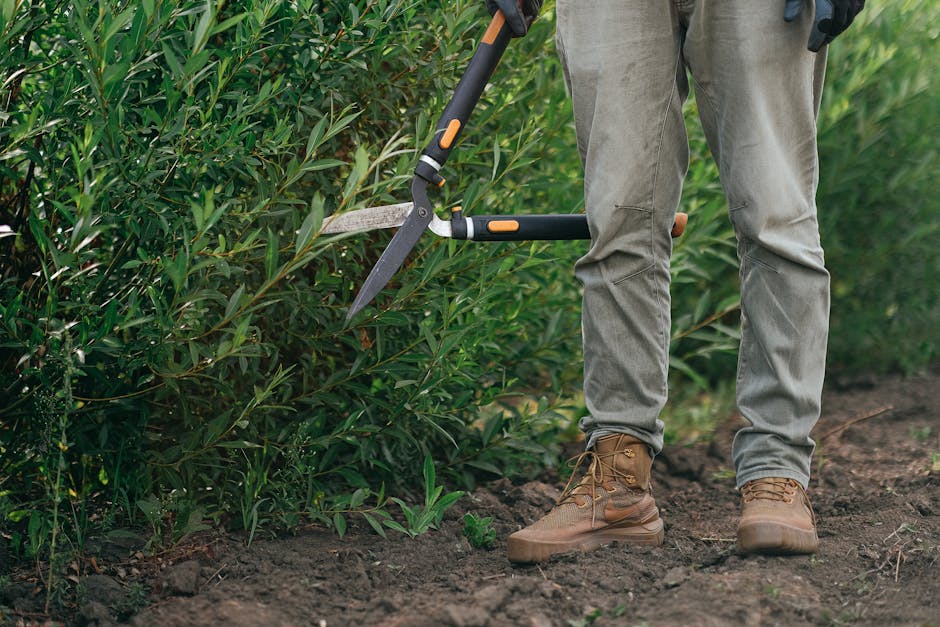
For example, hedges need a sensible cycle, not panic trimming when they start spilling into paths. If that sounds familiar, it may be worth reading more about precision hedge trimming and hedge trimming in Shepherds Bush for a clearer sense of what good maintenance looks like.
Tools, Resources and Recommendations
Good garden management does not need an enormous kit, but the right tools matter. A clean cut, straight edge, and tidy finish often depend on simple equipment being used properly. For landlords and managers, it is less about owning the tools and more about making sure the job is done well and consistently.
Useful basics usually include:
- mowers or strimmers for lawn control
- hedge cutters and hand pruners for shaping
- forks, spades, and cultivators for border work
- rakes and leaf tools for seasonal clear-ups
- pressure or surface-cleaning equipment for hardstanding areas
- safe disposal bags or collection systems for green waste
For properties that need a broader refresh, it can also help to think in terms of improvement stages. First tidy, then maintain, then improve. That order saves a lot of wasted effort. A garden makeover done in the right order is often much more efficient than trying to "fix everything at once," which is how plans become expensive and slightly chaotic.
If you are weighing up what kind of intervention is appropriate, these supporting reads can help shape the brief: the ultimate gardening tools guide, low-cost green space ideas, and first steps for a garden makeover.
For a practical service mix, landlords often pair routine upkeep with patio cleaning, tree surgery, or fencing work when the outdoor space needs more than gardening alone.
Law, Compliance, Standards and Best Practice
For landlords and property managers, garden work sits inside a wider duty of care. You are not just trying to make things look neat. You also want outdoor areas to be reasonably safe, maintained, and suitable for normal use. In UK practice, that usually means looking at trip hazards, overgrown access points, unstable features, waste build-up, and anything that could reasonably cause nuisance or injury.
There is also a health and safety angle for contractors and anyone entering the property. Clear access, good communication, and sensible risk assessment are all part of professional work. If a gardener is using machinery, lifting debris, handling ladders, or working near boundaries and structures, you want that handled carefully. No drama, just proper practice.
It is sensible to ask about insurance, safety processes, and complaint handling before work begins. That is not being difficult; that is being organised. A reliable contractor should be comfortable explaining how they manage risks, how they handle property access, and what happens if something is not right. Transparent terms, fair pricing, and safe working habits are all signs you are dealing with someone who understands property work properly.
For additional reassurance, it can help to review insurance and safety information, health and safety policy details, and terms and conditions. If you are comparing providers, also look at pricing and quotes so you understand what is included.
Best practice, in plain English, means this: document the job, agree the scope, keep the site safe, and make sure the final result is easy to maintain. That is the whole game, really.
Options, Methods and Comparison Table
Property managers usually choose between a few practical models. Each has its place, and the best option depends on budget, garden condition, and how often the property turns over.
| Approach | Best for | Advantages | Trade-offs |
|---|---|---|---|
| One-off tidy-up | Void properties, pre-viewing prep, post-tenancy reset | Fast transformation, useful when the garden has got out of hand | Does not prevent regrowth unless followed by maintenance |
| Planned maintenance visits | Occupied rentals, regular inspections, long-term portfolio care | Consistent appearance, easier budgeting, less surprise work | Needs scheduling discipline and a clear brief |
| Seasonal interventions | Gardens with strong spring/summer growth or autumn leaf fall | Good balance of control and cost | May not suit fast-changing or heavily used spaces |
| Combined external package | Properties needing garden plus hardscape or boundary work | More efficient overall, especially for larger clean-ups | Needs a broader scope and more coordination |
If the property has practical outdoor features beyond planting, the combined route often makes the most sense. That might include landscaping in Shepherds Bush, decking services, or a fresh review of borders, edges, and boundaries. Small upgrades can change how a whole space feels.
Case Study or Real-World Example
A typical Shepherds Bush scenario goes like this. A landlord has a small rear garden behind a rental house. During the tenancy, the lawn has thinned out, the hedge has become uneven, weeds are pushing through the borders, and the patio is coated in grime. Nothing catastrophic. Just enough to make the place feel tired.
The first visit focuses on control: mow the lawn, cut back the hedge, remove weeds, clear the patio, and remove debris. That alone makes the space look breathable again. The second stage is where the real improvement happens: edging, a more stable maintenance schedule, and some simple planting or boundary work so the space is easier to keep under control.
The important part is that the property manager does not wait for the next crisis. They set a repeat schedule before the garden has time to slide back. That is what saves time, frankly. The outside space stays presentable, the tenant has a better environment, and the property does not keep slipping down the to-do list.
Sometimes the biggest gains come from removing the wrong things rather than adding new ones. Ivy, in particular, can become a long-term problem if it is allowed to spread unchecked. If that sounds familiar, the guide to long-term ivy removal is worth a look.
We have also seen properties where a simple seasonal refresh was enough to shift the mood of the whole home. One tidy visit before summer, another after leaf fall, and suddenly the garden stops feeling like a liability. Small thing, big difference.
Practical Checklist
Use this checklist before booking or reviewing garden work for a rental property:
- Walk the garden and note visible issues from the front and back.
- Identify anything affecting safety, access, or tenant use.
- Separate urgent repair-style jobs from routine maintenance.
- Decide whether the property needs a one-off tidy-up or ongoing support.
- Confirm who will provide access and when.
- Ask for the exact scope of work in plain language.
- Check whether waste removal is included.
- Review insurance and safety information before work starts.
- Set a schedule for the next visit before the current one is forgotten.
- Keep a brief record after each visit for future reference.
That last point sounds minor, but it saves a surprising amount of time later. Especially when the same property gets handed between tenants, managers, and contractors. A tiny bit of structure goes a long way.
Get a free quote today and see how much you can save.
Conclusion
For landlords and property managers in Shepherds Bush, the garden is not just a decorative extra. It is part of the property's presentation, safety, and long-term upkeep. The right gardener helps keep that under control with less stress, fewer surprises, and better results across the year. Whether you need a one-off rescue, regular maintenance, or a broader property refresh, the key is clarity: clear scope, clear timing, and clear expectations.
If you keep the outside space in shape, everything else tends to feel more manageable. Tenants notice. Viewings feel easier. And the property simply holds itself together better, which is what most people really want in the end. Not perfection. Just steady, reliable care. That's enough, and often more than enough.


Boasting many years in the gardening business, Chris stands out as a proficient author capable of writing a variety of articles on a broad range of landscaping topics. His expertise has played a crucial role in helping thousands of people address their gardening needs.