Westfield London planter revamp case study by local gardeners
Posted on 03/11/2026
Shopping centre planting sounds simple until you stand in front of a tired planter and realise it has to cope with footfall, shade, wind tunnels, heavy maintenance schedules, and the occasional bit of well-meaning public interference. That is exactly why a Westfield London planter revamp case study by local gardeners is worth studying properly. It is not just about making a container look prettier for a week or two. It is about choosing planting, materials, and maintenance methods that hold up in a busy urban setting and still look sharp on a rainy Tuesday afternoon.
In this guide, we break down what a planter revamp in a place like Westfield London actually involves, why local gardening knowledge matters, and how to plan one without falling into the usual traps. You will also find a practical step-by-step process, a comparison table, a checklist, and a few real-world considerations that are easy to miss when you are only looking at the "before and after".
Why Westfield London planter revamp case study by local gardeners Matters
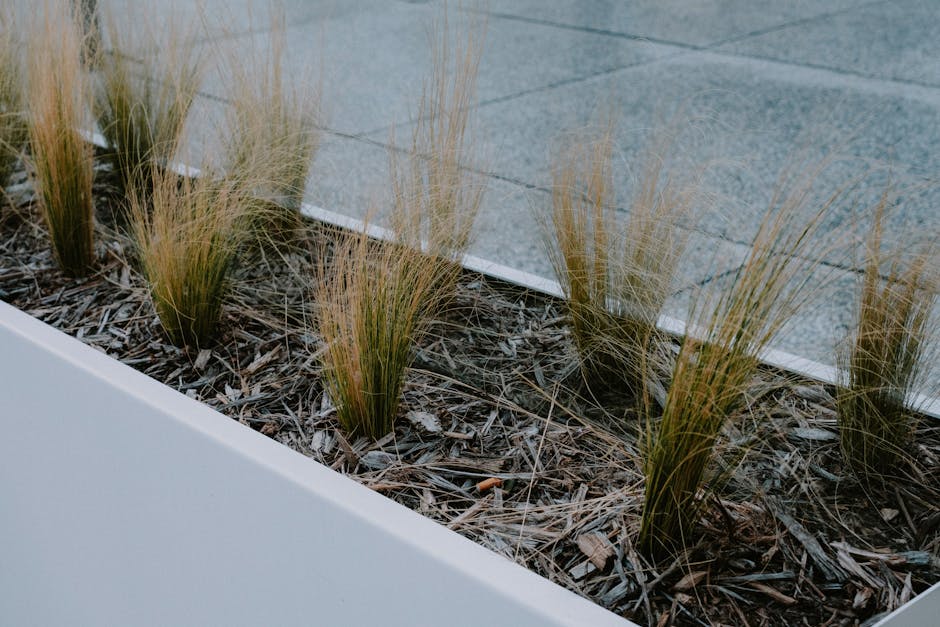
A planter revamp in a major retail destination is never just cosmetic. At a place like Westfield London, the planting has to work hard. It needs to be tidy enough for a premium visitor experience, durable enough to survive heavy use, and flexible enough to cope with the very mixed conditions found in a large London site. One corner may be bright and warm; another can be surprisingly shaded and dry. Truth be told, plants do not care that a place is busy, so the design has to do the heavy lifting.
Local gardeners bring something valuable here: practical knowledge of London microclimates, seasonal pressure, and the reality of maintaining planters in public-facing spaces. They understand what survives, what declines quickly, and what looks good without needing constant rescue. That local insight matters just as much as the plant list itself.
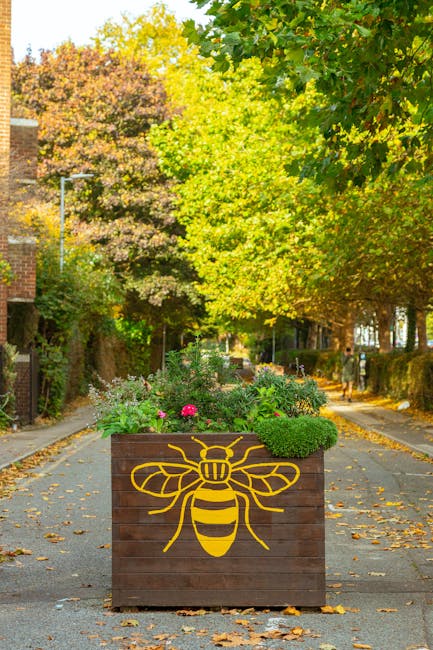
There is also a wider commercial reason. A well-planted entrance or mall-side planter does more than decorate. It softens hard architecture, supports wayfinding by creating visual anchors, and can make a space feel calmer and more welcoming. You know that feeling when a shopping trip suddenly feels less frantic because the surroundings are a bit more considered? That is not an accident.
If you are planning a similar project in a domestic, commercial, or mixed-use setting, it helps to understand the wider planting and maintenance principles first. A good starting point is this practical guide to starting a garden makeover, especially if you are at the planning stage and not yet sure how ambitious to be.
How Westfield London planter revamp case study by local gardeners Works
A successful planter revamp usually follows a simple but disciplined process. It is not glamorous. There are no magic tricks, despite what social media might suggest. The work starts with assessing the existing planters, the substrate, the drainage, and the conditions around each one. Then comes a plant strategy that matches those conditions rather than fighting them.
In a retail environment, local gardeners will often think in layers:
- Structure: evergreen shrubs, clipped shapes, or taller elements that hold form year-round
- Texture: leaf shape, variegation, and density to stop the planter looking flat
- Seasonal lift: changes in colour and flowering to keep the display fresh
- Maintenance practicality: planting that can be watered, trimmed, and replaced without major disruption
It is also about the physical planting build. A planter can fail quickly if it lacks proper drainage, enough root depth, or a stable growing medium. Many urban planters look fine for the first month, then decline because the root zone dries out too fast or becomes compacted. That is the sort of thing visitors never notice as a design issue, but gardeners absolutely do.
For public or semi-public spaces, a revamp often includes smarter watering access, stronger edging, and plants chosen for resilience rather than novelty. If the design includes climbers, trailing plants, or vertical features, there is sometimes a useful crossover with vertical gardening ideas, which can help create impact without relying on oversized containers.
Sometimes the simplest solution is the strongest one. In fairness, that is true of more garden jobs than people like to admit.
Key Benefits and Practical Advantages
Done well, a planter revamp delivers benefits that go beyond appearance. This is where a lot of people underestimate the value. They think the job is "just planting", then realise later that better planting improves the entire feel of the space.
- Stronger first impressions: fresh planters make entrances and walkways feel more cared for
- Better durability: the right plant palette reduces failure and replacement cycles
- Lower long-term maintenance: a well-designed scheme is easier to water, prune, and clean
- Improved seasonal interest: year-round structure plus rotating highlights keeps the space active
- More coherent branding: planted spaces can reflect the tone of a site without looking overdesigned
- Better user comfort: greenery softens hard surfaces and can make busy areas feel calmer
There is also a subtle psychological benefit. People tend to move differently in spaces that feel cared for. They slow down a touch, notice the surroundings, and generally seem a little less harried. That is not a scientific claim here, just a very common real-world observation from anyone who has worked around public-facing landscapes.
If you are trying to do more with less budget, it can help to look at budget-friendly green space revamp ideas. Even high-traffic planter projects can be improved with sensible material choices rather than expensive ones.
Who This Is For and When It Makes Sense
This kind of project makes sense for anyone managing planters in a high-visibility setting. That includes retail centres, office entrances, apartment developments, hospitality sites, and smaller businesses that want their frontage to feel polished. It also makes sense if your current planters look tired, overgrown, patchy, or simply wrong for the site conditions.
You may need a revamp if any of these sound familiar:
- plants keep failing despite regular watering
- the display looks good in spring but collapses by midsummer
- weeds, moss, or algae keep appearing in the planters
- the planter feels disconnected from the rest of the site
- maintenance takes too long and too many plants need replacing
It is also a smart move when a space has changed use. New visitor patterns, altered lighting, construction nearby, or a shift in brand presentation can all justify a redesign. London sites change quickly. Sometimes the planting needs to catch up, simple as that.
For those managing a broader outdoor refresh rather than just containers, the first steps for a garden makeover is a useful companion article, because planter revamps often sit inside a bigger improvement plan.
Step-by-Step Guidance
Here is a practical sequence that local gardeners would typically follow when revamping planters in a busy West London setting.
1. Assess the current planter condition
Start with the basics: dimensions, drainage, exposure, access, and existing plant health. Check whether the roots have become pot-bound, whether the compost has compacted, and whether water is pooling anywhere. A planter can look innocent and still be hiding a right mess underneath.
2. Review the site conditions
Look at sunlight hours, shade from the building, wind movement, reflected heat, and foot traffic. Westfield-style environments often produce tricky microclimates. One planter may bake; another may stay damp and gloomy. They need different planting decisions.
3. Define the design goal
Ask what the planter needs to achieve. Is it mainly visual impact, softness, screening, brand alignment, or year-round structure? If the answer is "all of the above", that is fine, but the priority still needs to be clear. Otherwise the planting becomes a compromise that pleases nobody.
4. Choose a plant palette
In urban retail settings, the best choices are often robust, repeatable, and easy to refresh. Think evergreen structure, seasonal accents, and plants with reliable form. For year-round container resilience, ground cover options that thrive in UK gardens can inspire low-profile planting that helps suppress weeds and fills bare soil neatly.
5. Improve the growing medium
Replace tired or compacted material where needed. Use a container-appropriate mix that drains well but does not dry out too fast. This is one of those hidden details that separates a lovely first week from a planter that still looks good in month six.
6. Plant with maintenance in mind
Set plants at the right depth, allow space for growth, and avoid cramming too much into the planter. Overplanting feels lush on day one, but it usually creates congestion later. A bit of restraint goes a long way.
7. Add finishing touches
Top dressing, edging, and tidy bark or decorative aggregate can help retain moisture and improve the visual finish. In some settings, mulch also reduces splash-back and keeps the display cleaner. If the area needs general tidying afterwards, services such as patio cleaning can support the wider presentation.
8. Put a maintenance rhythm in place
A planter revamp is only successful if it has a follow-up plan. Watering, deadheading, pruning, feeding, and replacing tired plants all need scheduling. A beautifully planted container with no maintenance plan is like a nice jacket with no buttons. Looks good, but not for long.
Expert Tips for Better Results
Local gardeners tend to make a few smart choices that instantly improve container planting. These are small details, but they add up.
- Use repetition for calm: repeating plant shapes across multiple planters makes a large site feel coherent
- Mix textures, not chaos: combine fine foliage with bolder leaves so the design feels layered rather than busy
- Plan for winter first: if the planters still look respectable in January, you are probably on the right track
- Prioritise access: if staff cannot reach a planter easily, it will be neglected sooner or later
- Choose for root behaviour: some beautiful plants turn into maintenance headaches if their roots are too aggressive
- Don't ignore weeds: they are quicker than most people, annoyingly so
For sites exposed to gusts or awkward air movement between buildings, wind protection strategies for gardens can translate surprisingly well to planter design too. It is not just about surviving storms. Even ordinary breezes can stress container plants.
And if you are planning a planting scheme for a darker corner or a shaded frontage, evergreen climbers for dark corners may give you useful ideas for adding life without relying on sun-loving species.
Common Mistakes to Avoid
Most planter problems come from a small number of avoidable mistakes. Once you know them, they are easier to spot. To be fair, many of them are the result of trying to make the planting look "full" too quickly.
- Choosing plants for looks only: pretty on delivery day does not mean practical in a public site
- Ignoring drainage: standing water damages roots and shortens planter life
- Using the wrong compost or soil mix: containers need a different setup from open ground
- Overcrowding: this leads to poor airflow, disease pressure, and constant trimming
- Forgetting seasonal maintenance: planters change fast, especially after hot spells or winter winds
- Not coordinating with cleaning routines: stained paving or debris around the base can undermine the whole revamp
Another mistake is failing to think about longevity. A planter revamp should be judged over months, not just in the first two weeks after installation. That is where many good-looking schemes quietly fall apart.
If you need to improve the whole surrounding site, it may also be worth reading about smart weed control practices, because weed pressure around hard landscaping tends to undermine polished planting faster than people expect.
Tools, Resources and Recommendations
You do not need a mountain of kit for a planter revamp, but you do need the right essentials. The tools should support neat work, safe handling, and efficient ongoing maintenance.
- hand trowels and transplanting tools
- pruners for deadheading and shaping
- watering cans, hoses, or irrigation access where available
- gloves with decent grip
- soil scoops or small spades for tidy planting
- labels or a simple plant plan for maintenance handover
- general cleaning materials for surrounding hard surfaces
For broader practical guidance, this overview of essential gardening tools is a helpful reference. It is not just for hobby gardeners; a lot of the same kit matters in commercial planting, especially when the work needs to be neat and repeatable.
If the revamp is part of a wider maintenance package, the following service pages may also be useful for readers comparing support options:
- garden and planting support
- landscaping help for larger transformations
- ongoing garden maintenance
- pricing and quotes
- about the team
That combination of practical tools, maintenance planning, and transparent service information usually gives clients a better sense of what they are buying. And honestly, it saves a lot of back-and-forth later.
Law, Compliance, Standards, or Best Practice
For planter revamps in public or commercial areas, the main thing is not to overcomplicate the compliance picture, but also not to be casual about it. The exact obligations depend on the site, the contractor arrangement, and the nature of the work. Where access, lifting, machinery, or public movement is involved, safe working practices matter a great deal.
Best practice usually includes:
- risk assessing the site before work begins
- keeping access routes clear for visitors and staff
- handling tools and materials safely around the public
- checking plant selection for non-toxic or low-risk use where appropriate
- making sure maintenance teams can reach and work on the planter safely
From a trust perspective, readers should also look for clear policies around safety, insurance, and service expectations. If you are comparing providers, the site's insurance and safety information and health and safety policy are sensible places to start. For customer reassurance, it also helps to know the terms and conditions, privacy policy, and complaints procedure.
That might sound a bit dry, but in real projects it matters. A polished planter is great; a polished planter that can be maintained safely is better.
Options, Methods, or Comparison Table
Not every planter revamp has to follow the same approach. The best method depends on budget, visibility, and how often the display can be maintained. Here is a simple comparison.
| Approach | Best For | Strengths | Watch Outs |
|---|---|---|---|
| Low-maintenance evergreen scheme | Busy public-facing sites | Stable structure, less replacement, tidy all year | Can feel plain if texture and form are not varied |
| Seasonal display planting | Entrances, event zones, high-visibility spots | Strong colour impact, flexible styling | Needs more frequent replacement and care |
| Mixed structural planting | Retail destinations wanting depth and longevity | Balanced, layered, visually rich | Requires thoughtful plant selection and spacing |
| Minimalist container refresh | Tight budgets or smaller frontage areas | Cost-conscious, neat, quick to deliver | Needs careful design to avoid looking sparse |
For many sites, the mixed structural approach is the best compromise. It lets you keep the planter looking full and attractive without turning maintenance into a weekly battle.
Case Study or Real-World Example
Let's look at a realistic example, without inventing dramatic claims. Imagine a row of tired planters near a high-footfall shopping entrance. The existing planting is patchy, the soil is compacted, and a few plants are struggling in the shade while others have been scorched by reflected heat. The overall effect is a bit flat. Not terrible, just forgettable.
A local gardening team would usually begin by clearing out failing material, checking drainage, and identifying which planters are under the greatest stress. They might then create a repeated design using a handful of sturdy species, with evergreen structure in the main body and seasonal accents where visibility is highest. If the site has dark pockets, the team may borrow ideas from ground cover plants that thrive in UK gardens to close gaps cleanly and reduce bare soil.
To make the revamp easier to sustain, the gardeners would likely keep maintenance practical: pruning windows, watering schedules, and a simple plan for replacing damaged plants. In a high-traffic setting, the maintenance plan is half the project, maybe more. The initial planting gets the attention, but the follow-through keeps it respectable.
If the surrounding space needs a wider seasonal refresh, pairing the planter work with practical summer gardening guidance can be useful for teams managing warm-weather stress and rapid plant growth. That is especially true in city locations where a few hot days can change everything very quickly.
The real win in an example like this is not flashiness. It is stability. Visitors see a fresh, calm, well-composed frontage, and the site team gets a planter that is easier to keep tidy. That is the kind of result that ages well.
Practical Checklist
Use this checklist before, during, and after a planter revamp. It keeps the work grounded.
- Have the planter dimensions and access points been measured?
- Has drainage been checked and corrected if needed?
- Have light, shade, heat, and wind conditions been reviewed?
- Is the planting plan suitable for the maintenance capacity available?
- Do the chosen plants suit the container environment, not just the aesthetic brief?
- Has the growing medium been refreshed or improved?
- Are the planter edges, surrounding paving, and access routes clean and safe?
- Is there a watering and pruning routine in place?
- Have replacement plants or contingency options been considered?
- Has the team responsible for maintenance received a simple handover?
If you can tick most of those off, you are already ahead of many rushed planter jobs. The difference shows later. Always does.
Get a free quote today and see how much you can save.
Conclusion
A strong planter revamp is about much more than adding colour. In a setting like Westfield London, the planting has to work as part of a bigger experience: durable, welcoming, easy to maintain, and visually coherent in all seasons. Local gardeners are often the best people to deliver that balance because they understand the real conditions on the ground, not just the ideal version on paper.
If you remember only one thing, make it this: the best planter designs are the ones that still look good after the first rush of attention has passed. That is where good planning, practical plant choice, and regular maintenance pay off. Not flashy, perhaps. But very effective.
And there is a nice satisfaction in that. A planter that quietly holds its own through weather, footfall, and the odd bit of chaos. That is real garden work, and it matters more than people think.


Boasting many years in the gardening business, Chris stands out as a proficient author capable of writing a variety of articles on a broad range of landscaping topics. His expertise has played a crucial role in helping thousands of people address their gardening needs.